
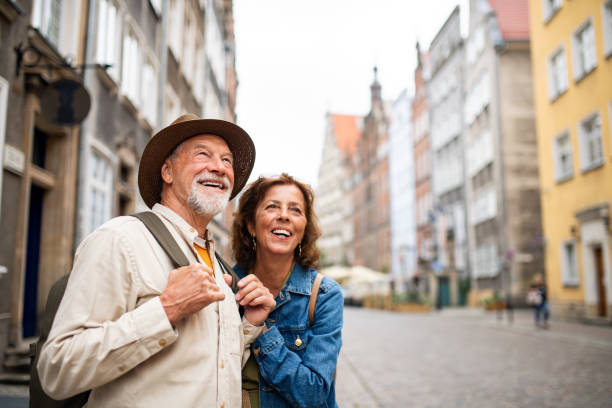
Travel remains one of life’s most enriching experiences, regardless of age. For seniors, exploring new places can offer renewed purpose, social connection, and mental stimulation. With thoughtful planning and realistic expectations, travel in later life can be both safe and deeply enjoyable. The key lies in prioritizing safety, comfort, and accessibility without sacrificing curiosity or independence.
Planning for a Smoother Journey
Preparation becomes increasingly important with age, particularly when it comes to travel logistics. Seniors benefit from planning trips well in advance, allowing time to research destinations, accommodations, and transportation options that align with their physical needs and energy levels. Choosing direct flights, avoiding overly tight schedules, and allowing buffer days for rest can significantly reduce stress.
It is also wise to consult a healthcare provider before long or international trips. Ensuring that medications are sufficient for the duration of travel and understanding how time zone changes may affect routines can prevent unnecessary complications. Carrying a written summary of medical conditions, allergies, and prescriptions adds an extra layer of security.
Prioritizing Safety at Every Stage
Safety considerations should guide decisions from departure to return. Seniors are encouraged to keep important documents secure yet accessible, preferably in a money belt or travel pouch worn under clothing. Digital backups of passports, insurance details, and itineraries stored securely online can be invaluable if originals are lost.
Awareness of surroundings is equally important. Choosing well-lit, populated areas, avoiding unfamiliar shortcuts, and being cautious with public Wi-Fi networks all contribute to safer travel experiences. Travel insurance that covers medical emergencies, trip interruptions, and evacuation is not optional for older travelers; it is an essential safeguard.
Comfort Makes the Difference

Comfort directly affects how much seniors can enjoy their travels. Long periods of sitting during flights or bus rides can be taxing, so selecting aisle seats, requesting mobility assistance at airports, and standing or stretching periodically can improve circulation and reduce discomfort.
Accommodation choices play a major role as well. Hotels with elevators, step-free entrances, and easily accessible bathrooms can prevent unnecessary strain. Seniors should not hesitate to request rooms closer to elevators or dining areas, as these small adjustments can greatly enhance daily comfort.
Accessibility When Choosing Destinations
Not all destinations are equally accommodating, and accessibility should be evaluated honestly. Cities with reliable public transportation, pedestrian-friendly layouts, and clear signage tend to be more senior-friendly. Many museums, cultural sites, and tourist attractions now offer wheelchair access, seating areas, and guided tours designed for visitors with limited mobility.
When traveling abroad, understanding local attitudes toward accessibility is important. Some regions may have older infrastructure that presents challenges, so researching accessibility reviews from other senior travelers can provide practical insights beyond official descriptions.
Managing Energy and Pacing Activities
One of the most common travel mistakes among seniors is trying to do too much in too little time. Building itineraries around quality rather than quantity allows travelers to fully appreciate each experience without exhaustion. Scheduling one or two main activities per day, with time allocated for rest, helps maintain both physical stamina and enjoyment.
Listening to the body is critical. Travel should feel rewarding, not draining. Accepting slower mornings, afternoon breaks, or occasional changes in plans is not a limitation but a sensible adaptation that supports long-term well-being.
Staying Connected and Supported
Maintaining communication while traveling provides reassurance for both seniors and their loved ones. Carrying a mobile phone with international roaming or a local SIM card ensures access to emergency services and navigation tools. Sharing itineraries with family members and checking in regularly can offer peace of mind without diminishing independence.
Group travel or senior-focused tours can also be appealing options. These often include accessible transportation, experienced guides, and built-in support, making them ideal for those who prefer structure or are traveling alone for the first time in years.
Embracing Travel with Confidence
Age should never be a barrier to discovery. With thoughtful planning and an emphasis on safety, comfort, and accessibility, seniors can continue to explore the world confidently. Travel in later life often brings a deeper appreciation for culture, people, and moments that younger travelers may overlook.
By respecting personal limits while remaining open to new experiences, seniors can transform travel into a source of joy, fulfillment, and lifelong learning. The journey may look different than it once did, but it remains just as meaningful.
Recent Comments